Gear Review · Shelters
Ultralight Tents Under 2 Pounds: Four Tested in Wind and Rain
We pitched four of the lightest one-person shelters on the market through a ridge camp that gusted to 35 mph and a three-day rainstorm that didn't let up. The results surprised us.
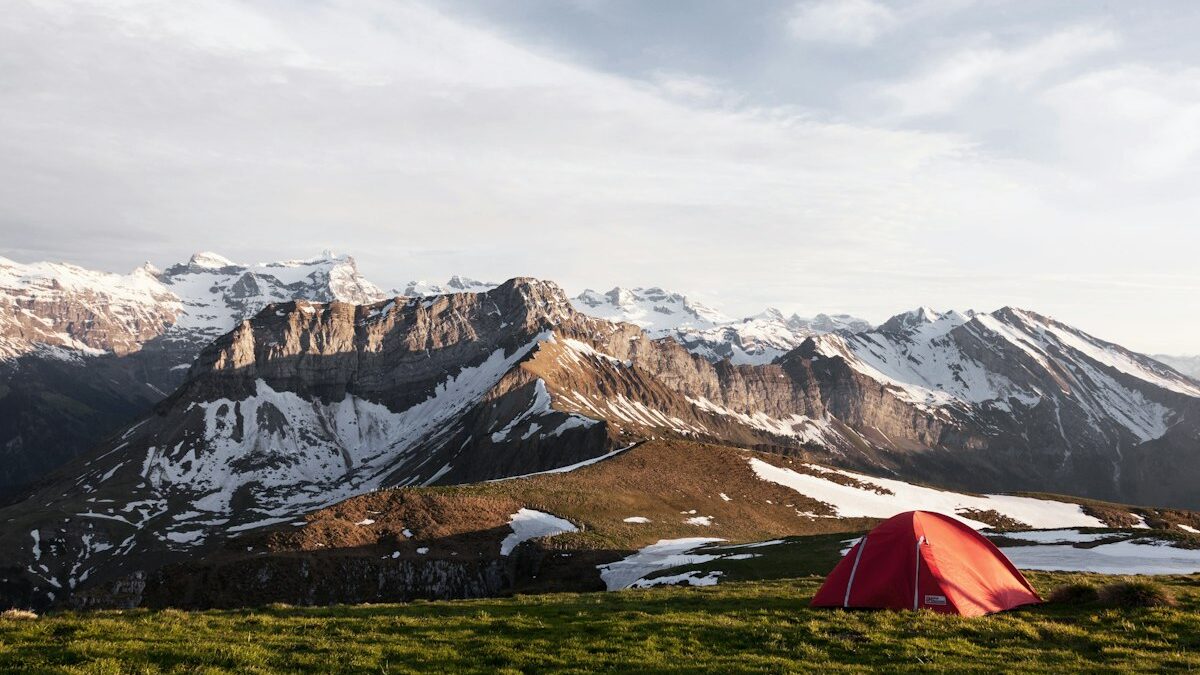
Going under two pounds used to mean giving something up — headroom, livable vestibule space, or the ability to pitch the thing without a physics degree. That's less true than it used to be. We bought four shelters that all claim sub-2-pound trail weight and spent eleven nights in them across two trips: a blustery ridge camp in the Wind Rivers and a three-day system that parked over the same drainage and refused to move.
Two of the four are trekking-pole shelters, which means no dedicated tent poles — you pitch them with the poles you're already carrying, which is where most of the weight savings comes from. The other two are traditional freestanding or semi-freestanding designs that trade a little weight for a pitch that doesn't depend on finding two trekking poles and decent stake-out ground.
How We Tested
Every tent went up on the same two sites: a flat, exposed ridge shoulder with no windbreak, and a forested bench that held water during the three-day rain system. We measured livable floor space with a tape rather than trusting the spec sheet, timed the pitch from bag to staked-out shelter, and checked for interior condensation each morning before anyone moved around inside and made it worse.
We also weighed everything ourselves on a kitchen scale, including stakes and guylines, because advertised "trail weight" numbers routinely leave something out. Two of the four were heavier than claimed once we weighed the stock stakes.
Weight, Price, and Score at a Glance
Scores are out of 10, weighted toward wind stability, weather resistance, interior space, and pitch speed, then adjusted for price.
| Tent | Trail weight | Price | Score | |
|---|---|---|---|---|
| Durston X-Mid 1P | 1 lb 9 oz | $259 | 8.9 | Buy |
| Zpacks Duplex Zip | 1 lb 3 oz | $699 | 8.8 | Buy |
| Gossamer Gear The Two | 1 lb 10 oz | $365 | 8.4 | Buy |
| Big Agnes Tiger Wall UL1 Solution Dye | 1 lb 13 oz | $500 | 8.1 | Buy |
Durston X-Mid 1P — Best Value and Best Overall
The X-Mid's offset pole geometry is the reason it won. Most trekking-pole tents pitch with the poles dead center, which eats into usable floor space at the foot and head end. Durston moved the poles toward the sides, and the result is a shelter that lives bigger than its footprint suggests, with two doors and two small vestibules instead of the single-entry setup most tents in this category settle for.
On the ridge, the low-slung, wide-based pitch shrugged off gusts that had us re-staking the Tiger Wall twice. At $259 it's also the cheapest tent here by $106, which makes the win feel less like a photo finish and more like a genuine value gap.
Zpacks Duplex Zip — Lightest, and Priciest
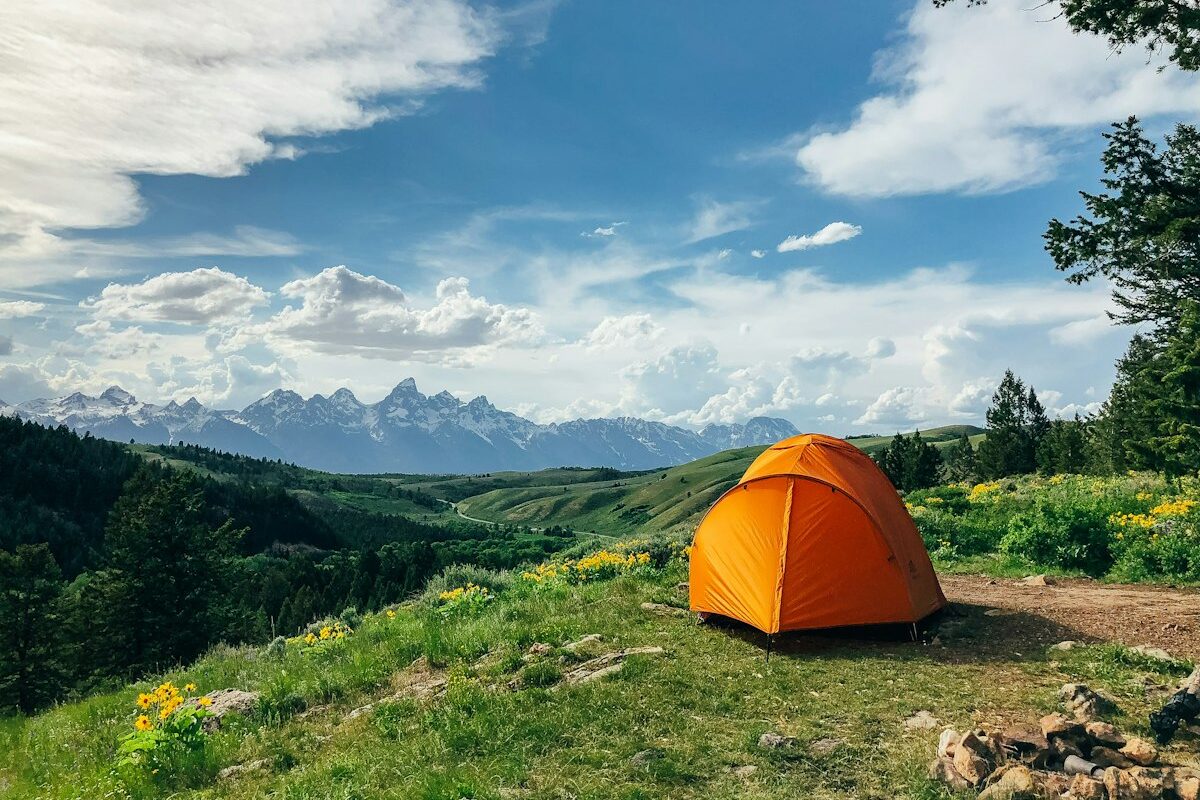
At 1 lb 3 oz, the Duplex Zip is nearly six ounces lighter than the X-Mid, and the Dyneema fabric means it doesn't absorb water weight the way the other three tents' silnylon or polyester does after a wet night. That matters more than people think on a multi-day trip where you're packing a tent that never fully dries.
It's also $440 more than the X-Mid, and Dyneema doesn't stretch the way silnylon does, so a sloppy pitch stays sloppy until you fix it — there's no overnight tightening as the fabric settles. If you're chasing every ounce and you've got the budget, it's still the lightest fully enclosed shelter we'd trust in real wind.
Gossamer Gear The Two — Best for Two People
Despite the name, we tested this as a generous solo setup, and the extra floor space it's built around made it the easiest tent here to actually live in during the three-day rain system — enough room to sit up, cook under the vestibule, and keep a pack fully inside and dry. That space comes with a weight and price premium over the X-Mid for what is, in dry weather, a similar pitch.
Big Agnes Tiger Wall UL1 Solution Dye — Best Freestanding Backup
The only freestanding tent in the group, which means it pitches the same way every time regardless of ground conditions — useful on the slickrock and root-choked sites where staking a trekking-pole tent well is genuinely hard. It's also the heaviest and most expensive non-Dyneema option here, and in sustained wind on the ridge it needed more guyline tension than the X-Mid to stop flapping.
If you camp on surfaces where staking out a trekking-pole shelter is a fight — slickrock, hardpan, deep sand — the Tiger Wall's freestanding pitch is worth the weight penalty. For dirt and duff, it isn't buying you much.
Trekking-Pole Tents and the Learning Curve
If you've never pitched a trekking-pole shelter, budget one practice night in the backyard before you trust it on trail. Both the X-Mid and the Duplex Zip took our most experienced tester under four minutes to pitch well, and our newest tester over fifteen minutes on night one before getting the tension right. By night three, that gap had closed to under a minute. The tradeoff for the weight savings is real, but it's a one-time cost, not an ongoing one.
- Practice your pitch at home before a trip that matters
- Carry six stakes minimum — the stock four that ship with most ultralight tents aren't enough in wind
- Seam-seal silnylon tents before their first trip; factory seam tape fails faster than the fabric does
Which Tent Should You Buy
For most backpackers, the Durston X-Mid 1P is the easy recommendation — it beat two tents that cost nearly double, and the extra livable space from the offset poles is the kind of thing you don't appreciate until you're waiting out a storm in it. If weight is the only number that matters to you and the price doesn't scare you off, the Duplex Zip still wins on raw grams. Everyone else should save the $440 difference and buy the X-Mid.